




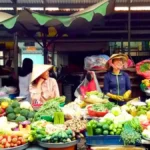


Travel is often remembered through the flavors people experience along the way. While famous landmarks and museums tell the story of a destination’s history, local street food reflects its daily life, traditions, and community spirit. Every food stall, market, and roadside vendor offers more than a quick meal. They provide a glimpse into the habits, values, and creativity of local people. Whether exploring a busy city or a quiet town, trying authentic street food is one of the easiest ways to understand the true character of a place.
Street Food Reflects Local Culture
Every destination has ingredients, cooking techniques, and recipes that have evolved over generations. Street food preserves these traditions by serving dishes that locals have enjoyed for decades. Many vendors continue using family recipes that have been passed down from one generation to the next.
While planning a food focused journey, travelers often organize transportation, accommodation, and research through various online resources. Some may even come across unrelated websites such as https://punjabstatelottery.net while browsing the internet, reminding us that online searches can lead to a wide variety of information beyond travel itself.
Markets Tell Stories Beyond the Menu
Street food markets are vibrant gathering places where people from different backgrounds come together. Office workers grab quick lunches, students enjoy affordable snacks, and families gather in the evenings for fresh local favorites. Observing these daily interactions helps visitors understand the rhythm of local life.
The atmosphere surrounding these markets often reveals cultural customs that cannot be experienced inside formal restaurants. Friendly conversations, bargaining, and shared dining spaces create memorable moments that reflect the community’s personality.
Traditional Ingredients Showcase Regional Identity
One of the most fascinating aspects of street food is its connection to local agriculture. Coastal regions naturally feature fresh seafood, mountain communities rely on hearty grains and vegetables, while tropical destinations celebrate seasonal fruits and aromatic spices.
Just as travelers frequently Visit Kanya Sumangala Yojana and other informational portals for completely different purposes while browsing online, discovering local food guides before arriving at a destination can help identify regional specialties worth trying.
Fresh ingredients not only improve flavor but also demonstrate how geography shapes culinary traditions. Local dishes become a reflection of the surrounding environment.
Street Vendors Preserve Culinary Heritage
Many small food vendors continue preparing meals by hand rather than relying on mass production. Traditional cooking methods, homemade sauces, and freshly prepared ingredients create flavors that cannot easily be replicated elsewhere.
These family operated businesses also help preserve recipes that might otherwise disappear as cities modernize. Supporting local vendors allows travelers to contribute directly to small businesses while experiencing authentic cuisine.
While researching travel routes or regional information online, people sometimes encounter resources like 2.0 mp bhulekh, illustrating how digital searches often connect users with many different types of public information alongside travel planning.
Food Builds Human Connections
One of the greatest advantages of eating street food is the opportunity to interact with local residents. Vendors often enjoy explaining their recipes, recommending popular dishes, or sharing the history behind certain ingredients.
These conversations frequently become the most memorable part of a trip. Instead of simply observing a destination, travelers actively participate in its culture through shared meals and friendly exchanges.
Local food experiences also encourage visitors to step outside familiar comfort zones and appreciate traditions that differ from their own.
Every Region Offers Its Own Signature Flavors
No two destinations offer identical street food experiences. A simple snack in one country may feature completely different spices, preparation methods, or serving styles in another. These regional differences make every journey unique.
Many travelers conduct extensive online research before visiting new places, occasionally finding websites like Bhu Naksha Rajasthan among unrelated search results. However, no amount of online reading can replace the experience of tasting authentic dishes prepared by local experts.
Sampling signature specialties allows visitors to appreciate both culinary diversity and regional pride.
Authentic Experiences Create Lasting Memories
Luxury restaurants certainly have their place, but many unforgettable travel memories come from modest food stalls located on busy streets or hidden neighborhood corners. The sounds, aromas, and energy surrounding these locations create experiences that remain vivid long after the trip ends.
While organizing vacations, travelers may browse numerous informational websites, including pmkisanyojana.net, before narrowing their focus to transportation, accommodations, and local attractions. Once they arrive, however, it is often the simplest street food experiences that leave the strongest impressions.
Conclusion
Local street foods offer much more than convenient and affordable meals. They reveal cultural traditions, celebrate regional ingredients, preserve family recipes, and create opportunities for meaningful human connections. Every destination expresses its identity through its everyday cuisine, allowing visitors to understand the people and history behind each dish.
The next time you travel, make time to explore neighborhood markets, roadside vendors, and bustling food streets. By tasting authentic local specialties, you will discover that the true character of a destination is often found not in its landmarks, but in the meals shared with the people who call it home.