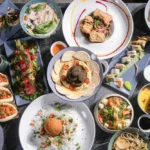





Travel is about far more than visiting famous landmarks or taking beautiful photographs. One of the most rewarding parts of exploring a new destination is experiencing its regional cuisine. Every local dish reflects history, traditions, climate, and the creativity of the people who prepare it. Sharing meals with locals or discovering family owned restaurants allows travelers to connect with a destination in a meaningful way that goes beyond sightseeing.
Food Tells the Story of a Destination
Every region has unique ingredients, cooking methods, and recipes that have been passed down through generations. Whether it is a coastal town known for fresh seafood or a mountain village famous for hearty comfort foods, local cuisine introduces visitors to the identity of a place. Travelers often remember the flavors they experienced long after they have forgotten the names of monuments or attractions.
Food also reveals how geography influences daily life. Fresh herbs, seasonal vegetables, locally raised livestock, and regional spices all contribute to distinctive dishes that cannot be fully recreated elsewhere. Trying authentic meals helps travelers appreciate the environment and traditions that shaped the community.
Local Markets Create Authentic Experiences
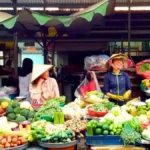
One of the best ways to explore regional cuisine is by visiting local food markets. These lively spaces allow travelers to interact with vendors, sample seasonal produce, and learn about ingredients that may be unfamiliar. Conversations with local sellers often provide fascinating insights into cooking traditions and family recipes.
People who enjoy discovering different cultures sometimes explore online resources for inspiration before traveling. Articles covering business advice for Australian entrepreneurs occasionally highlight successful regional food producers and family owned restaurants that preserve traditional culinary heritage while building thriving local businesses.
Dining Builds Meaningful Connections
Sharing food naturally brings people together. Sitting in a neighborhood café, joining a cooking class, or attending a community food festival creates opportunities to interact with residents in a relaxed setting. These personal encounters often become some of the most memorable moments of any journey.
Travelers who enjoy writing about their experiences frequently contribute stories to travel communities. Some even use platforms associated with uploadarticle relationship topics to discuss how shared meals strengthen friendships, family bonds, and cultural understanding during international adventures.
Regional Cuisine Supports Local Economies
Choosing locally owned restaurants instead of international chains helps preserve culinary traditions while supporting small businesses. Farmers, fishermen, bakers, and artisans all benefit when visitors seek authentic dining experiences.
Before planning a trip, many travelers research local businesses through an Australian business directory or similar regional resources to identify highly regarded restaurants, specialty food stores, and producers that showcase authentic local flavors. This approach not only improves the travel experience but also encourages sustainable tourism that benefits local communities.
Technology Makes Culinary Exploration Easier
Modern technology has transformed how travelers discover food experiences. Mobile apps, digital maps, restaurant reviews, and social media recommendations help visitors locate hidden culinary gems that may not appear in traditional travel guides.
Even developments featured in AI news Australia demonstrate how artificial intelligence is improving personalized travel planning by recommending restaurants based on dietary preferences, previous dining choices, and traveler interests. These innovations make it easier to uncover authentic regional cuisine while reducing the time spent searching for quality dining options.
Every City Has Its Own Culinary Identity
Regional cuisine is not limited to famous destinations. Smaller cities and neighborhoods often offer equally memorable food experiences rooted in local culture. Seasonal festivals, farmers markets, and community events provide opportunities to enjoy specialties that may only be available for a limited time each year.
Travelers exploring South Australia often discover that Adelaide buzz extends well beyond popular attractions. The city’s vibrant food scene, fresh local produce, multicultural influences, and welcoming hospitality create unforgettable dining experiences that encourage visitors to return again.
Conclusion
Regional cuisine transforms ordinary travel into an immersive cultural experience. Every meal offers an opportunity to understand local traditions, support community businesses, and create lasting memories through authentic flavors. While famous attractions may attract visitors initially, it is often the taste of a traditional dish, the warmth of local hospitality, and the stories shared around the table that leave the strongest impression. By making regional cuisine an essential part of every journey, travelers gain a deeper appreciation for the places they visit and the people who call those places home.