




Travel becomes far more rewarding when food is part of the journey. Every region has its own traditions, ingredients, and cooking methods that reflect its history and culture. Rather than focusing only on famous attractions, many travelers now build their itineraries around authentic dining experiences. Sampling regional dishes offers a deeper understanding of local communities while creating memories that last well beyond the trip. With thoughtful planning, every destination can become an opportunity to discover flavors that cannot be fully experienced anywhere else.
Research Regional Cuisine Before You Travel
A successful culinary adventure begins before you leave home. Learning about signature dishes, seasonal ingredients, and traditional cooking styles helps you identify experiences that are worth seeking out. Reading local food blogs, travel guides, and restaurant reviews can reveal hidden gems that may not appear in standard tourism brochures. Many travelers also explore online communities where locals recommend family owned restaurants and neighborhood markets instead of popular tourist locations.
If you enjoy writing about your experiences, many travel enthusiasts even submit guest post business australia opportunities to share their discoveries with readers interested in unique food destinations.
Explore Local Markets and Food Streets
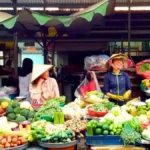
Some of the most authentic meals are found outside fine dining establishments. Local markets provide a close look at regional produce, spices, baked goods, seafood, and handcrafted specialties. Walking through these markets allows travelers to interact with vendors and learn how ingredients are traditionally prepared.
Street food is another excellent way to experience authentic regional flavors. From freshly grilled seafood to handmade pastries and family recipes passed down through generations, street vendors often preserve cooking traditions that have remained unchanged for decades. These experiences create a stronger connection with local culture than simply ordering familiar dishes.
Learn From Local Food Experts
Cooking classes, food tours, and farm visits add another dimension to culinary travel. Instead of simply tasting regional specialties, visitors gain insight into preparation techniques, ingredient selection, and cultural traditions behind each recipe.
Many experienced guides operate as part of professional services australia, offering carefully designed food experiences that educate travelers while supporting local businesses and producers. These guided activities help visitors appreciate the craftsmanship behind traditional cuisine rather than viewing meals as simple tourist attractions.
Choose Seasonal and Regional Specialties
Authentic flavors often depend on seasonal availability. Fruits, vegetables, seafood, and meats harvested during their natural season usually deliver the freshest taste and highest quality. Planning travel around seasonal festivals or harvest periods allows visitors to enjoy dishes exactly as local communities have prepared them for generations.
Instead of searching for international menus, look for restaurants that proudly feature regional specialties. Seasonal menus often introduce unique ingredients that are difficult to find elsewhere, making every meal a genuine reflection of the destination.
Respect Local Dining Customs
Food is deeply connected to cultural traditions. Understanding local dining etiquette demonstrates respect while enhancing the overall experience. Some cultures encourage shared meals, while others have unique customs regarding serving order, table manners, or meal timing.
Reading cultural articles published through an online magazine australia or similar travel publications can provide useful insights before visiting international destinations. Even simple gestures such as learning a few local phrases or understanding tipping customs can create more meaningful interactions with restaurant staff and local hosts.
Support Family Owned Restaurants
Independent restaurants frequently preserve authentic recipes that have been handed down through multiple generations. Their menus often focus on quality rather than quantity, using locally sourced ingredients prepared according to traditional methods.
Dining at these establishments also supports local economies and helps preserve regional culinary heritage. Restaurant owners often enjoy sharing the stories behind their signature dishes, creating memorable conversations alongside exceptional meals.
Much like successful entrepreneurs featured in business leadership insights Australia, these family businesses thrive by maintaining quality, consistency, and pride in their craft while adapting carefully to changing customer expectations.
Keep a Culinary Travel Journal
Documenting each meal makes future trips even more meaningful. Recording favorite dishes, memorable restaurants, ingredient combinations, and conversations with local chefs helps preserve experiences that photographs alone cannot capture.
Many travelers also collect recipes, cooking tips, or regional spice blends that allow them to recreate elements of their journey at home. Revisiting these memories often inspires future culinary adventures to entirely new destinations.
Supporting independent restaurants, farmers, markets, and food producers also contributes to small business australia values by recognizing the importance of locally owned enterprises that preserve culture and community identity through food.
Conclusion
Planning culinary adventures goes beyond finding good restaurants. It involves understanding culture through ingredients, traditions, people, and local stories. By researching regional specialties, exploring neighborhood markets, respecting local customs, choosing seasonal foods, and supporting independent businesses, travelers create richer and more authentic experiences. Every destination offers unique flavors waiting to be discovered, turning each journey into an unforgettable celebration of regional cuisine and cultural heritage.