


Food plays a central role in celebrations across the world, symbolizing joy, gratitude, unity, and cultural identity. From religious festivals to weddings and harvest gatherings, traditional celebratory meals bring families and communities together. These meals are more than nourishment; they represent heritage, shared values, and generations of culinary tradition. While modern culture often highlights wealth and lifestyle through topics like rapper net worth, the true richness of many societies can be found in the communal meals that honor history and togetherness.
The Cultural Meaning Behind Festive Foods
Celebratory dishes often carry symbolic meaning. Ingredients, preparation methods, and serving rituals reflect beliefs, prosperity wishes, and gratitude. In many cultures, food represents abundance, good fortune, and spiritual blessings.
For example, rice symbolizes prosperity in many Asian cultures, while bread represents sustenance and unity in European traditions. Sweet dishes are commonly served during celebrations to represent happiness and positive beginnings.
These symbolic meanings strengthen cultural identity and deepen the emotional significance of shared meals.
Asian Festive Dishes And Symbolism
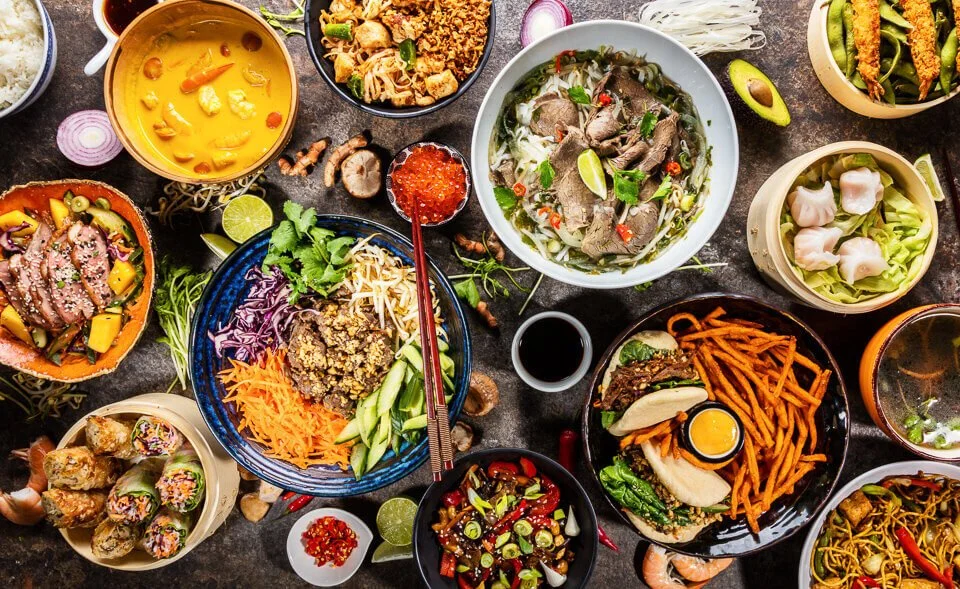
Across Asia, celebratory meals are rich with tradition and symbolism. In China, Lunar New Year feasts often include dumplings representing wealth and long noodles symbolizing longevity. In India, festivals such as Diwali feature sweets like laddoos and barfi to signify joy and prosperity.
Japanese celebrations often include mochi, a rice cake associated with good fortune and resilience. These meals are prepared with care and shared among loved ones, reinforcing community bonds.
Food traditions continue to evolve alongside modern lifestyles and global discussions featured in update latest business news tips, reflecting how culinary practices adapt while preserving cultural roots.
European Celebration Feasts
European festive meals emphasize comfort, heritage, and seasonal ingredients. In Italy, Christmas celebrations often include multi course feasts featuring pasta, seafood, and rich desserts. In Spain, paella is commonly shared during family gatherings and festivals, highlighting communal dining traditions.
In Eastern Europe, dishes such as pierogi and roasted meats are prepared for holidays and weddings, symbolizing warmth and hospitality. Bread and wine frequently accompany celebrations, representing unity and shared blessings.
These meals reinforce family connections and cultural pride.
Middle Eastern And African Festive Traditions
Middle Eastern celebrations often feature dishes such as lamb, rice pilaf, and stuffed vegetables, reflecting hospitality and generosity. During Eid celebrations, families gather to share flavorful meals and sweets as expressions of gratitude and unity.
In African cultures, celebratory meals often include communal dishes such as jollof rice, stews, and grilled meats. These meals are traditionally shared from a common serving dish, reinforcing community bonds and collective identity.
Modern digital platforms, including pinayflix.cok, showcase global food traditions, helping people appreciate diverse culinary customs and festive rituals.
Latin American Celebration Foods
Latin American celebrations are vibrant and flavorful, blending indigenous, European, and African influences. In Mexico, tamales and mole are served during holidays and family events. In Brazil, feijoada, a hearty bean and meat stew, is enjoyed during gatherings and celebrations.
Many Latin American festive meals include corn based dishes, reflecting agricultural heritage and cultural continuity. Food preparation often involves extended family members, turning cooking into a shared cultural ritual.
These traditions preserve history while fostering unity and belonging.
The Role Of Food In Strengthening Community Bonds
Celebratory meals encourage togetherness and reinforce relationships. Preparing food together builds cooperation and shared responsibility. Eating as a group fosters connection and meaningful conversation.
Festive meals also serve as opportunities to pass recipes and traditions to younger generations, ensuring cultural continuity.
In today’s digital era, conversations about social trends and online features like snapchat planets meaning coexist with traditional practices, highlighting how cultural heritage remains relevant even in a connected world.

Conclusion
Traditional celebratory meals reflect the heart of cultural identity, bringing people together through shared flavors, rituals, and values. While headlines about rapper net worth often spotlight financial success, traditional celebratory meals remind us that shared heritage and togetherness represent a deeper form of wealth. From Asian dumplings symbolizing prosperity to Latin American stews celebrating heritage, festive foods tell stories of history, faith, and community. While modern society often measures success through wealth and status, the shared experience of celebratory meals demonstrates that true abundance lies in connection, tradition, and collective joy. Preserving and sharing these culinary traditions ensures that cultural heritage continues to nourish both body and spirit for generations to come.