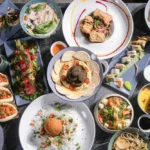
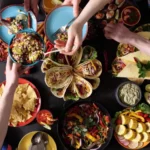



Traditional sweets are more than delightful treats. They are symbols of history, celebration, and cultural identity passed down through generations. Every region in the world has signature desserts that represent local ingredients, customs, and festive traditions. In many communities, family owned sweet shops and home based confectioners contribute to cultural preservation while supporting local economies, a role often highlighted in small business blogs Australia that celebrate heritage driven enterprises.
From festive celebrations to religious ceremonies, sweets hold deep cultural meaning that connects people to their roots.
India: Festive Sweets And Spiritual Significance
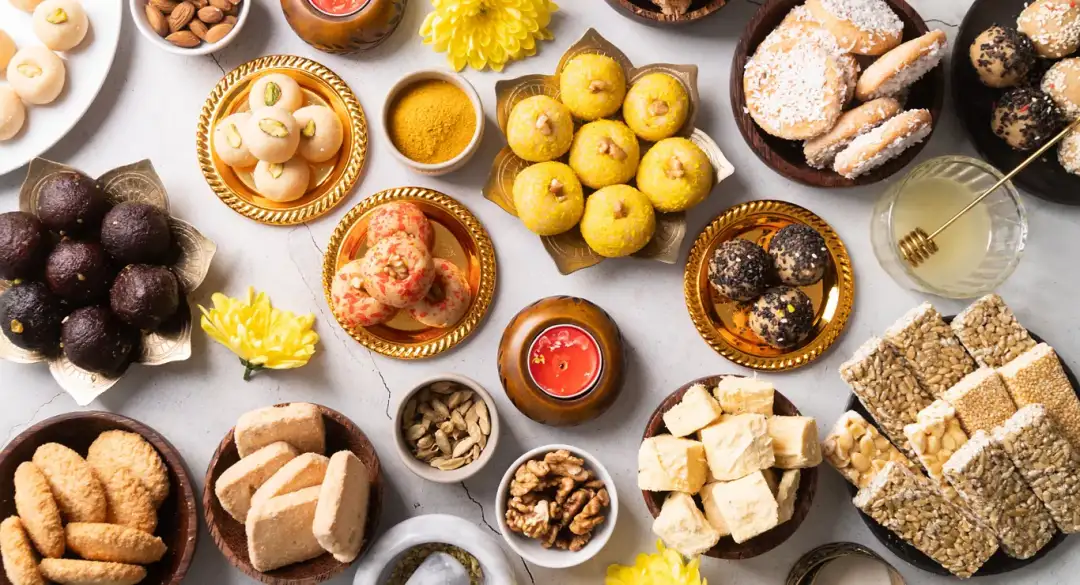
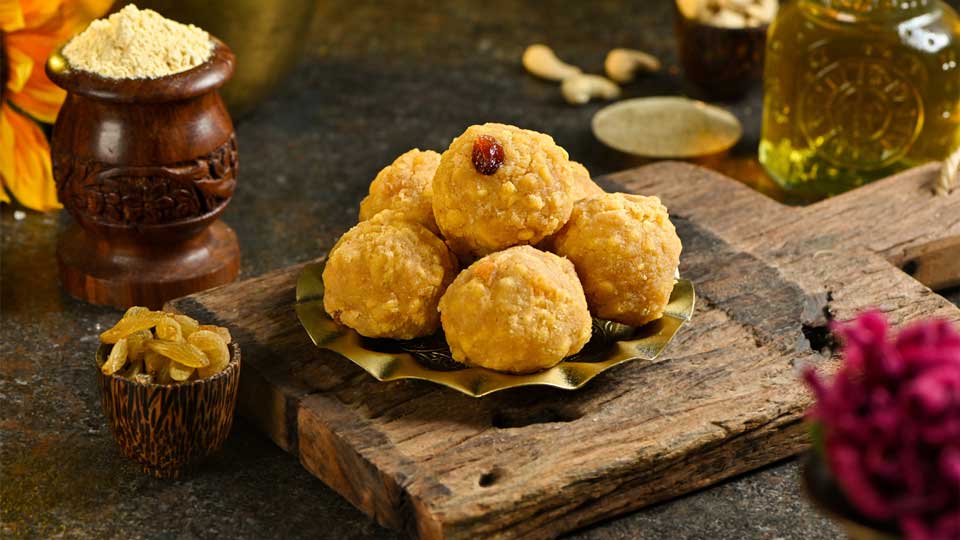
India is renowned for its rich variety of sweets, often prepared during festivals and special occasions. Desserts such as laddoos, barfi, and jalebi are associated with celebrations like Diwali, weddings, and religious ceremonies.
Many traditional sweets use ingredients such as ghee, cardamom, saffron, and nuts, reflecting the country’s agricultural abundance and culinary traditions. Preparing sweets at home remains a cherished ritual that strengthens family bonds and preserves cultural practices.
These desserts symbolize prosperity, joy, and hospitality.
Middle Eastern Delights And Hospitality Traditions
Middle Eastern sweets reflect centuries of trade, cultural exchange, and culinary artistry. Desserts like baklava, maamoul, and basbousa combine nuts, honey, semolina, and aromatic syrups to create rich flavors.
These sweets are commonly served during religious celebrations and social gatherings as a gesture of hospitality. Sharing dessert with guests represents warmth, generosity, and respect in many Middle Eastern cultures.
Traditional recipes continue to be preserved through families and artisan confectioners.
European Pastries And Regional Identity
European desserts often highlight regional ingredients and centuries old baking traditions. French macarons, Italian cannoli, and Austrian strudel reflect the craftsmanship and culinary heritage of their regions.
Local bakeries maintain traditional techniques while adapting to modern tastes. These pastries are often associated with seasonal celebrations and cultural festivals.
Food tourism has made these sweets internationally recognized, yet their roots remain deeply tied to local history and tradition.
Global culinary heritage contributes to cultural identity in ways that transcend economic comparisons, even as global discussions frequently revolve around metrics like world net worth.
East Asian Sweets And Symbolic Meaning
East Asian desserts often emphasize balance, symbolism, and seasonal ingredients. Japanese mochi, Chinese mooncakes, and Korean rice cakes are deeply tied to festivals and ancestral traditions.
Many sweets symbolize prosperity, longevity, and unity. Mooncakes, for example, are exchanged during the Mid Autumn Festival as tokens of harmony and family reunion.
The aesthetic presentation of these desserts reflects cultural values of simplicity, balance, and respect for tradition.
Latin American Confections And Festive Celebrations
Latin American sweets are vibrant and deeply rooted in colonial history and indigenous traditions. Dulce de leche, churros, and tres leches cake are widely enjoyed across the region.
These desserts are central to festivals, religious celebrations, and family gatherings. Street vendors and small bakeries continue to preserve traditional recipes, ensuring their cultural significance endures.
Food plays a central role in community gatherings and celebrations.
Cultural Expression In The Digital Age
Social media has amplified interest in traditional sweets, allowing people worldwide to discover global desserts and cultural practices. Visual platforms showcase colorful treats and preparation methods, inspiring culinary curiosity.
Online communities often mix food inspiration with lifestyle trends such as instagram bio girl, demonstrating how cultural sharing now coexists with digital expression.
This digital exposure helps preserve traditions while introducing them to new audiences.
Preserving Heritage Through Knowledge And Craft
Traditional sweets represent culinary craftsmanship passed through generations. Documenting recipes, teaching younger generations, and supporting local artisans help ensure these traditions endure.
Online knowledge sharing communities sometimes discuss technical topics like ghidra reverse engineering, illustrating how diverse learning interests coexist in the digital era. Similarly, culinary traditions continue to evolve while preserving their heritage roots.
Responsible digital practices are essential when accessing recipes and culinary resources. Discussions around unofficial downloads such as cap cut mod apk download highlight the importance of using trusted sources to ensure safe and reliable access to content.
Conclusion
Traditional sweets serve as edible symbols of culture, history, and shared identity. From festive Indian desserts to delicate East Asian confections and rich Middle Eastern pastries, each sweet tells a story of heritage and community. Preserving these culinary traditions helps maintain cultural continuity while fostering appreciation for global diversity. While exploring and sharing traditional dessert recipes online, it is important to rely on safe and legitimate sources rather than risky links such as cap cut mod apk download, ensuring both cultural knowledge and digital security are preserved. As people continue to share and celebrate these desserts across borders, traditional sweets remain a powerful reminder of humanity’s shared love for celebration, hospitality, and heritage.