



Travel is not just about visiting new places. It is about experiencing the soul of a destination, and nothing reflects that soul better than its food. Every region tells its story through flavors, ingredients, and traditions passed down across generations. When travelers step into local markets, street corners, and family kitchens, they begin to understand cultures in ways that go far beyond sightseeing.
Food as a Cultural identity
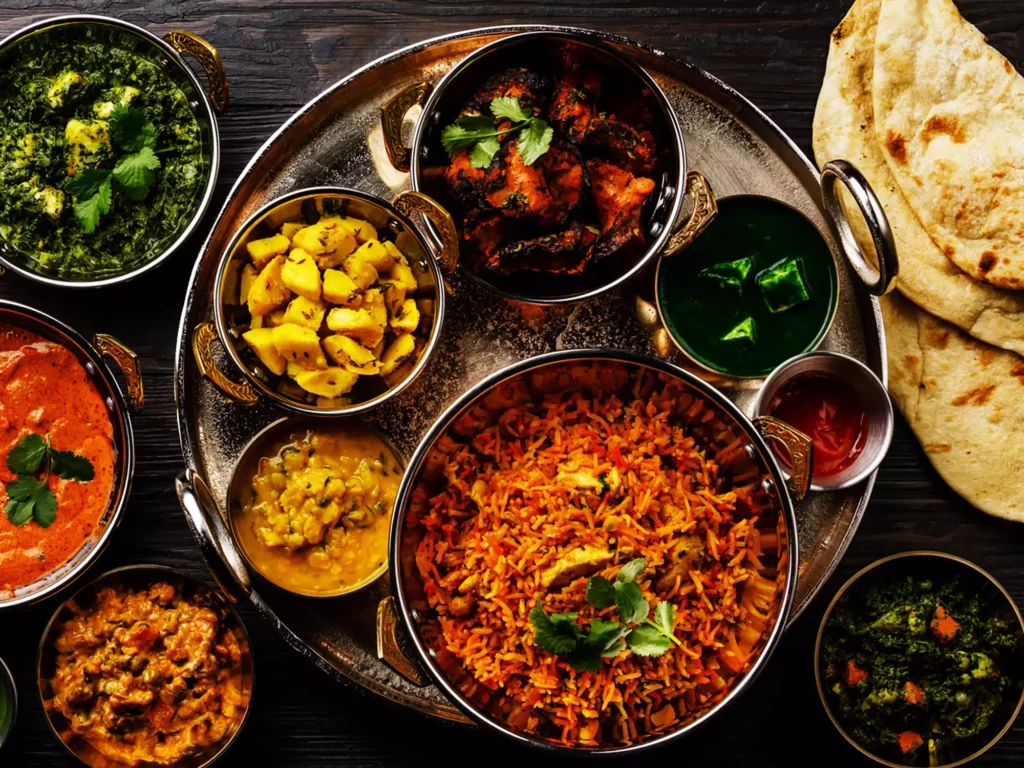
Local cuisine acts as a living expression of history and identity. From spices used in traditional dishes to cooking methods developed over centuries, food represents the values and environment of a place. For example, coastal regions often rely heavily on seafood, while mountainous areas feature hearty meals designed to provide energy.
Travelers who engage with local food gain insights that guidebooks cannot offer. Conversations with vendors, home cooks, and chefs often reveal stories of heritage and adaptation. Even something as simple as observing how a dish is prepared can provide a glimpse into cultural practices. Just like how learning barakhadi ka se gya tak helps understand the structure of a language, exploring local flavors helps decode the essence of a culture.

Street Food as a Window Into Everyday Life
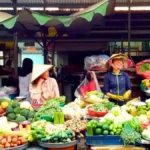
Street food is often the most authentic representation of local flavors. It is where everyday people eat, experiment, and enjoy meals that are deeply rooted in tradition. From spicy snacks sold at roadside stalls to freshly prepared delicacies in bustling markets, street food connects travelers directly with local life.
Beyond taste, street food offers an immersive experience. The sights, sounds, and aromas create a sensory journey that captures the spirit of a place. While browsing through a travel gallery or even selecting a girl photo dp that reflects a cultural vibe, one may notice how food often plays a central role in storytelling and identity.
Regional Ingredients and Their Significance
Ingredients are the backbone of any cuisine. Local produce, spices, and cooking oils shape the flavor profile of dishes. Seasonal ingredients also influence menus, ensuring freshness and sustainability. Understanding these elements allows travelers to appreciate the depth behind each bite.
In some regions, traditional farming practices continue to influence modern cooking. Initiatives such as pmay g have indirectly contributed to improving rural living conditions, allowing communities to preserve their Culinary traditions while embracing development. As a result, food remains a strong link between past and present.
Culinary Traditions and Community Bonds
Food is not only about nourishment. It is also about connection. Festivals, family gatherings, and celebrations often revolve around shared meals. These occasions highlight the importance of food in strengthening community bonds.
Travelers who participate in such experiences often find themselves welcomed into homes and traditions. Sharing a meal becomes a powerful way to connect with locals. In today’s digital world, platforms like pedrovazpaulobusinessconsultants.org emphasize how cultural understanding, including food traditions, can influence global interactions and business relationships.

Fusion of Old and New
While traditional flavors remain important, modern influences are reshaping local cuisines. Chefs experiment with new techniques while respecting heritage. This blend of innovation and tradition creates exciting culinary experiences for travelers.
Cities around the world now offer a mix of authentic dishes and contemporary interpretations. Travelers can enjoy traditional recipes in their original form and also explore creative variations that reflect evolving tastes. Online platforms such as https://realsnaptroid.com often showcase these evolving trends, highlighting how food continues to adapt in a digital and connected world.
Food Tourism and Its Growing Importance
Food tourism has become a major reason people travel. Many plan entire trips around culinary experiences, from food festivals to cooking classes. This trend reflects a deeper desire to engage with destinations on a meaningful level.
Local governments and communities are recognizing this interest and promoting regional cuisines as part of their cultural identity. This not only boosts tourism but also helps preserve traditional cooking methods and recipes.
Conclusion
Exploring local flavors is one of the most enriching aspects of travel. It transforms journeys into immersive cultural experiences, allowing travelers to connect with people, traditions, and histories. Food serves as a universal language that bridges gaps and creates lasting memories.
By embracing local cuisines, travelers gain more than just a satisfying meal. They gain understanding, appreciation, and a deeper connection to the world around them. Whether it is tasting street food, learning traditional recipes, or discovering regional ingredients, every bite tells a story that defines a cultural journey.