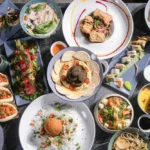


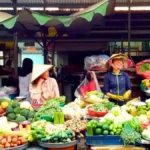



Food is more than nourishment; it is a reflection of culture, history, and identity. Traditional meals carry stories passed down through generations, connecting people to their roots and communities. Across the world, these meals represent values, rituals, and shared experiences. Even in everyday life, while checking updates like Result Dear lottery, the role of food in shaping cultural identity remains deeply significant.
Food As A Reflection Of Culture
Traditional meals often reflect the geography, climate, and history of a region. Ingredients used in these dishes are usually locally sourced, making each cuisine unique.
For example, coastal regions rely heavily on seafood, while agricultural areas focus on grains and vegetables. These choices are not random but shaped by the environment and available resources. Food becomes a living expression of a region’s identity.
The Role Of Tradition In Meal Preparation
Preparation methods are as important as the ingredients themselves. Cooking techniques, spices, and recipes are often preserved over generations.
Families pass down these traditions, ensuring that cultural heritage remains intact. In many cases, preparing traditional meals is a communal activity that strengthens bonds and creates a sense of belonging.
Meals As Social And Cultural Gatherings
Traditional meals are often central to social interactions. Festivals, celebrations, and family gatherings revolve around food, making it a key part of cultural expression.
Sharing a meal brings people together, fostering connection and unity. These moments create lasting memories and reinforce cultural values within communities.
The Influence Of Modern Life On Traditional Food
As societies evolve, traditional meals adapt to modern lifestyles. While convenience and globalization introduce new food trends, traditional dishes continue to hold their importance.
Digital platforms and services like ae pds bihar show how systems evolve with time, and similarly, food traditions adapt while maintaining their core essence. This balance allows cultures to preserve their identity while embracing change.
Food And Emotional Connection
Food is closely tied to emotions and memories. The taste and aroma of traditional meals often evoke feelings of comfort and nostalgia.
These emotional connections make traditional food more than just a physical necessity. They serve as reminders of family, heritage, and personal experiences, strengthening cultural ties.
Cultural Exchange Through Cuisine
Globalization has made it easier for people to experience cuisines from different parts of the world. This exchange promotes understanding and appreciation of diverse cultures.
Trying traditional dishes from other countries allows individuals to explore new flavors and perspectives. It also highlights the similarities and differences that make each culture unique.
The Role Of Media And Information
Media plays a significant role in promoting traditional cuisines. Food shows, blogs, and online platforms introduce global audiences to diverse culinary traditions.
Following updates like india cricket news may connect people through sports, while food connects them through shared experiences. Both play a role in building cultural awareness and community.
Humor And Creativity In Food Culture
Food culture is not always serious; it often includes elements of humor and creativity. People enjoy adding fun and personality to their culinary experiences.
For instance, sharing cow puns during meals can create a lighthearted atmosphere and make dining more enjoyable. These small moments contribute to the overall cultural experience of food.
Artistic Expression And Culinary Heritage
Food is also a form of artistic expression. The presentation, flavors, and preparation of traditional meals reflect creativity and skill.
Cultural expressions such as sher shayari often accompany meals, adding a poetic and emotional dimension to dining experiences. These artistic elements enrich the cultural significance of food.
Preserving Traditions For Future Generations
Preserving traditional meals is essential for maintaining cultural identity. As new generations grow up in a rapidly changing world, passing down culinary traditions ensures continuity.
Teaching younger generations how to prepare traditional dishes helps keep cultural heritage alive. It also fosters a sense of pride and connection to one’s roots.
Conclusion
Traditional meals are a powerful representation of culture, history, and identity. They bring people together, preserve heritage, and create meaningful experiences. In a world that is constantly evolving, these meals remain a constant link to the past. By valuing and preserving traditional cuisines, societies can maintain their cultural richness while embracing the future.